Garden Gnome Drawing Water at a Pitcher Pump: A Charming Artistic Idea
- Get link
- X
- Other Apps
A garden can become much more than a collection of plants when charming decorative elements create a memorable atmosphere. One delightful idea combines a cheerful garden gnome with an old-fashioned pitcher pump. The image of a small gnome drawing water from a traditional pump brings together nostalgia, nature, and storytelling. Artists can use this subject to create artwork that feels peaceful, playful, and inviting.
A Garden Gnome Drawing Water at Pitcher Pump captures a simple moment that can inspire both beginners and experienced artists. The subject provides several interesting details to explore, including the gnome’s clothing, facial expression, pump structure, surrounding plants, and flowing water. Each element gives the drawing additional character while helping create a believable garden environment.
The traditional pitcher pump also adds a rustic quality to the composition. Its metal handle, curved spout, and sturdy base contrast beautifully with the softer appearance of flowers, grass, and foliage. Meanwhile, the gnome can become the central character, giving the artwork a sense of personality.
This type of drawing works particularly well for anyone who enjoys whimsical garden illustrations. It can also serve as an imaginative art project because the artist can decide how the gnome looks, what surrounds the pump, and what kind of garden appears in the background.

Building the Composition Before Drawing
Creating an appealing Garden Gnome Drawing Water at Pitcher Pump begins with a thoughtful composition. Before adding small details, it helps to imagine where each major object will appear. The gnome and pitcher pump should naturally become the main focus, while flowers, leaves, stones, and other garden decorations can provide supporting details.
The position of the gnome can dramatically change the feeling of the scene. A standing gnome beside the pump may create a lively appearance, while a smaller figure leaning toward the pump can make the artwork feel more intimate. The artist can also show the gnome holding a bucket beneath the spout to make the water-drawing activity easier to understand.
The pitcher pump should have a clear structure. Its vertical body, handle, spout, and base can be outlined using simple geometric shapes before details are introduced. Keeping these proportions consistent helps the pump look solid and realistic.
Background placement also matters. A garden path leading behind the pump can add depth, while distant shrubs or a wooden fence can make the setting feel larger. However, the background should not overpower the main character.
Simple planning makes it easier to balance the composition. Once the major shapes are positioned correctly, the artist can gradually develop the scene with textures, shadows, and decorative elements.
Giving the Gnome Personality and Character
The gnome is the heart of this whimsical garden scene. A successful Garden Gnome Drawing Water at Pitcher Pump should make the character feel expressive rather than simply placing a figure beside a mechanical object. Small artistic decisions can give the gnome a distinct personality.
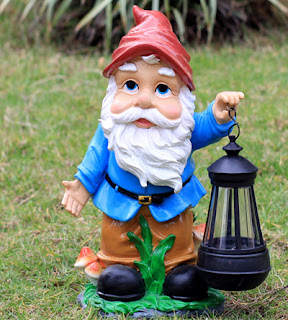
Traditional gnomes often feature pointed hats, rounded faces, short bodies, and practical clothing. Artists can interpret these familiar features in many different ways. A tall pointed hat can create a playful silhouette, while a rounded hat can make the character appear softer and friendlier.
Facial expression is another important detail. A cheerful smile can communicate enjoyment, while a focused expression can suggest that the gnome is carefully collecting water. The direction of the eyes can also guide the viewer toward the pitcher pump and create a stronger connection between the character and the activity.
Clothing provides another opportunity for creativity. Simple shirts, trousers, boots, belts, or textured jackets can make the gnome appear ready for garden work. Folds in the fabric can add realism without requiring complicated techniques.
The pose should also feel natural. The gnome’s arms can extend toward the pump handle or bucket, while the feet can be positioned to suggest balance. These details make the character appear active and connected to the environment rather than simply standing inside it.
Creating an Old-Fashioned Pitcher Pump
The pitcher pump gives the artwork its distinctive rustic identity. In a Garden Gnome Drawing Water at Pitcher Pump, this structure deserves careful attention because it provides an important visual anchor for the entire scene.
A traditional hand pump usually has a strong vertical body with a curved spout extending outward. Its long handle creates an interesting diagonal line that can guide the viewer’s eye toward the gnome. Artists can begin with basic shapes and then refine the edges, joints, and mechanical features.
Texture can make the pump especially interesting. An aged metal surface might include subtle marks suggesting years of outdoor exposure. Small areas of uneven shading can create the impression of worn material without making the drawing unnecessarily complicated.
Water adds another expressive element. A thin stream flowing from the spout can show that the pump is being used. The artist can add small ripples where the water enters a bucket or container, helping the scene feel active.
The base of the pump should connect naturally with the surrounding ground. Stones, soil, grass, or small plants can hide part of the foundation while making the object feel integrated into the garden.
Careful shading can give the pump weight and dimension. A darker area beneath the spout and subtle shadows around the base can help establish the direction of light and make the entire structure appear more three-dimensional.
Adding Flowers, Foliage, and Garden Details
The surrounding environment transforms a simple Garden Gnome Drawing Water at Pitcher Pump into a complete garden story. Plants can frame the central action while creating layers throughout the composition. The artist can choose flowers, leafy plants, vines, shrubs, or small trees depending on the desired atmosphere.
Flowers are particularly useful because they introduce visual variety. Large blossoms near the foreground can create depth, while smaller flowers in the distance can suggest a spacious garden. Different leaf shapes also prevent the background from appearing repetitive.
Ground details can further establish the setting. A winding garden path, scattered pebbles, patches of grass, and small mushrooms can give the artwork a storybook quality. A wooden fence or rustic garden gate may provide a background structure without competing with the gnome.
Lighting should connect all these elements. If sunlight comes from one direction, the gnome, pump, plants, and ground should receive consistent highlights and shadows. This consistency makes the illustration feel cohesive.
Artists can also use empty areas intentionally. Not every section of the page needs decoration. Leaving some open space around the central figures can make the composition easier to appreciate and prevent the drawing from becoming visually crowded.
The best garden illustrations often balance detail with simplicity. Carefully selected environmental features can communicate the setting without overwhelming the main subject.
Conclusion: Turning a Simple Garden Moment Into Art
A Garden Gnome Drawing Water at Pitcher Pump offers an imaginative way to combine character art, nature, and rustic objects within one memorable scene. The subject is simple enough for beginners to explore while offering experienced artists plenty of opportunities for creative interpretation.
The gnome provides personality, while the pitcher pump creates a strong focal point. Flowers, foliage, paths, stones, and other garden features can surround them with a welcoming environment. Thoughtful composition, natural poses, consistent lighting, and careful shading can make the final artwork feel lively and dimensional.
What makes this concept especially appealing is its storytelling potential. The viewer can imagine the gnome caring for the garden, collecting water, and enjoying a quiet moment outdoors. A Garden Gnome Drawing Water at Pitcher Pump therefore becomes more than a decorative illustration. It can represent a peaceful connection between fantasy and everyday garden life.
Whether created with pencil, colored pencils, ink, watercolor, or digital tools, the scene allows artists to experiment with textures and styles. By focusing on clear shapes first and adding details gradually, anyone can develop a charming garden illustration with its own unique personality.
- Get link
- X
- Other Apps


Comments
Post a Comment